Cumbria draws solo travellers with a compelling mix of dramatic fells, coastal paths, and heritage sites that reward independent exploration. From the rugged trails of the Lake District to the quieter Solway Coast and the Roman frontier at Hadrian's Wall, the region offers enough variety to fill a week without repeating yourself. This guide cuts through the noise to help you find the right base, at the right price, for a solo trip that actually works logistically.
What It's Like Staying in Cumbria as a Solo Traveller
Cumbria is England's second-largest county, stretching from the Pennines in the east to the Irish Sea coast in the west, with the Lake District National Park at its core. For solo travellers, the region rewards those who are comfortable with self-directed itineraries - public transport exists but is limited outside Windermere and Keswick, so car hire is strongly advisable for anyone wanting to move between areas efficiently. The crowd dynamic shifts sharply by season: summer weekends bring heavy footfall to Ambleside and Grasmere, while autumn and winter leave many trails nearly empty, giving solo hikers genuine solitude on routes like Helvellyn or the Coledale Round.
Pros:
- Exceptional trail access with hundreds of mapped routes across the Lake District, Howgill Fells, and Hadrian's Wall Path
- Solo-friendly accommodation diversity - from eco pods and farm stays to traditional inns with bar-dining suited to solo guests
- Low personal safety concerns even in remote areas, with well-marked paths and reliable mobile coverage on main summits
Cons:
- Limited rail connectivity between key destinations - Carlisle, Barrow-in-Furness, and Windermere are on separate branch lines
- Many village pubs and restaurants close early out of season, reducing dining options for solo evening arrivals
- Driving on narrow Lake District lanes can be stressful for solo travellers unfamiliar with the road layout
Why Choose Solo Traveller Hotels in Cumbria
Hotels and stays geared toward solo travellers in Cumbria tend to prioritise self-sufficiency over social programming - think self check-in systems, fully equipped kitchenettes, and properties where you are not penalised heavily for single occupancy. Unlike the Cotswolds or Yorkshire Dales, Cumbria still has a meaningful stock of working farm stays and rural inns where solo guests eat at the bar without feeling out of place. Nightly rates at practical solo-friendly properties typically start around £60-£80, considerably below the boutique Lake District hotels that charge a premium for couples' amenities a solo traveller simply does not need. The key trade-off is isolation: many of the best-value solo stays are several kilometres from the nearest village, so grocery planning and transport logistics matter more here than in an urban destination.
Pros:
- Self check-in options mean no awkward arrival windows or front desk small talk after a long drive
- Farm stays and eco pods offer private outdoor space - terraces and fire pits - that solo travellers can use entirely on their own schedule
- Inn-style properties with on-site bars and restaurants eliminate the need to drive after dinner in a rural area
Cons:
- Single supplement charges still apply at some traditional B&Bs and inns, adding around 20% to the per-night cost
- Remote properties require advance meal planning as food delivery services rarely reach rural Cumbrian postcodes
- Eco pods and farm stays may not suit solo travellers seeking social interaction or co-working facilities
Practical Booking and Area Strategy for Solo Travellers in Cumbria
Cumbria is best understood as three distinct zones for solo travellers: the Lake District core (Ambleside, Keswick, Windermere), the northern corridor along Hadrian's Wall toward Carlisle, and the quieter western and southern fringe taking in the Furness Peninsula and Eskdale. Carlisle is the strongest transport hub, with direct trains to Edinburgh, Manchester, and Newcastle, making it the smartest base for solo travellers arriving without a car. For those driving, positioning yourself in Eskdale or the Solway Coast gives near-instant access to trails without the summer gridlock that hits the A591 between Ambleside and Keswick. Attractions worth anchoring your itinerary around include Muncaster Castle, the Ravenglass & Eskdale Railway, Hadrian's Wall Path, and the Whinlatter Forest Park - booking accommodation within 20 km of your primary attraction significantly reduces daily driving, which matters more when you are navigating alone. Peak season runs from late July through August; book at least 8 weeks in advance for rural properties during this window.
Best Value Stays for Solo Travellers
These properties offer the strongest practical value for solo travellers - combining self-sufficient setups, flexible check-in, and access to key Cumbrian routes without charging for amenities designed for couples or groups.
-
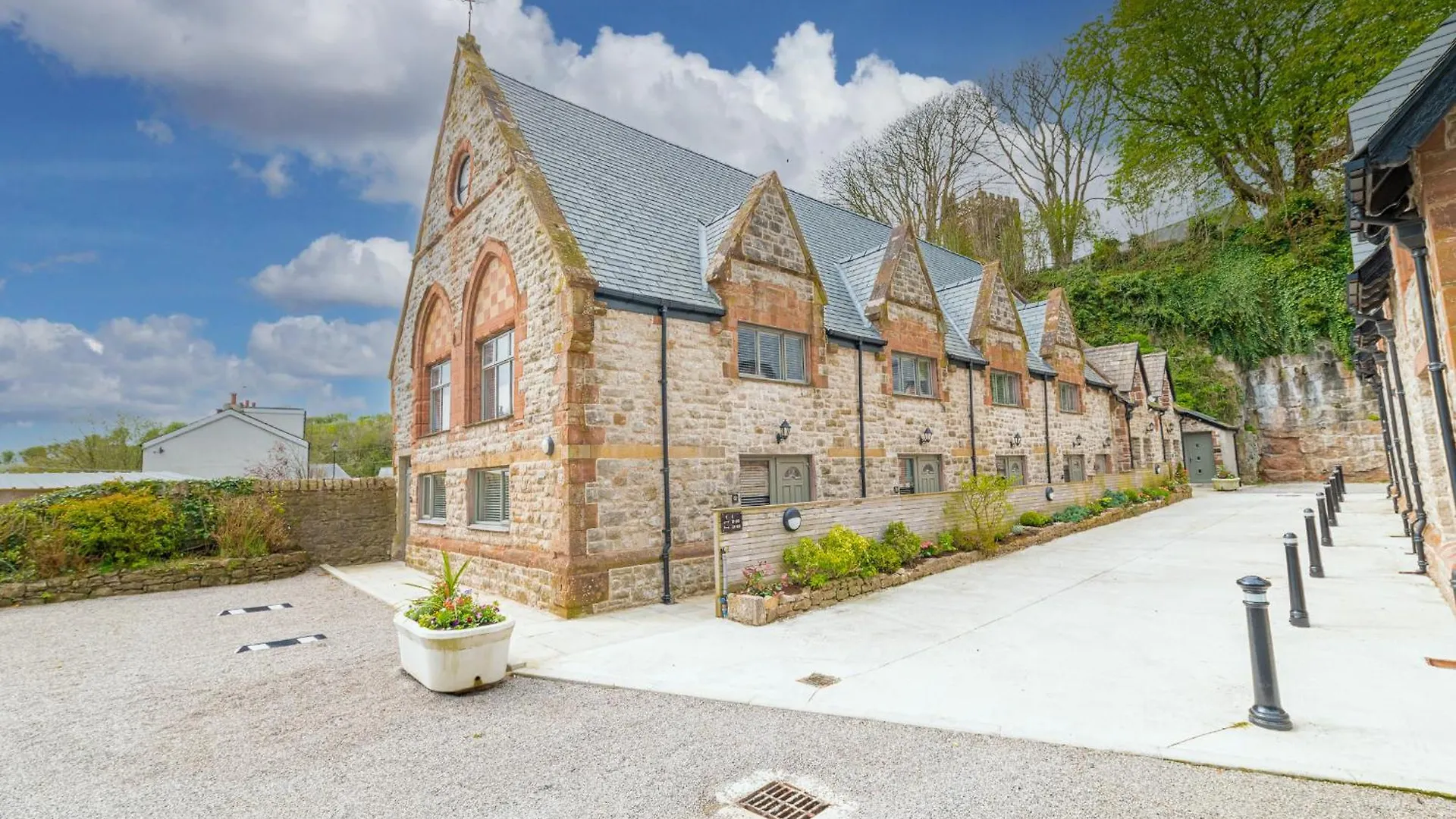
1. Chequers Lodge- Dalton-In- Furness- Self Check In- For Professionals And Tourists
Show on map


 Check-infrom 15:00 until 23:00Check-outfrom 06:00 until 10:00
Just a few rooms left at the best rate!
from£ 95
-
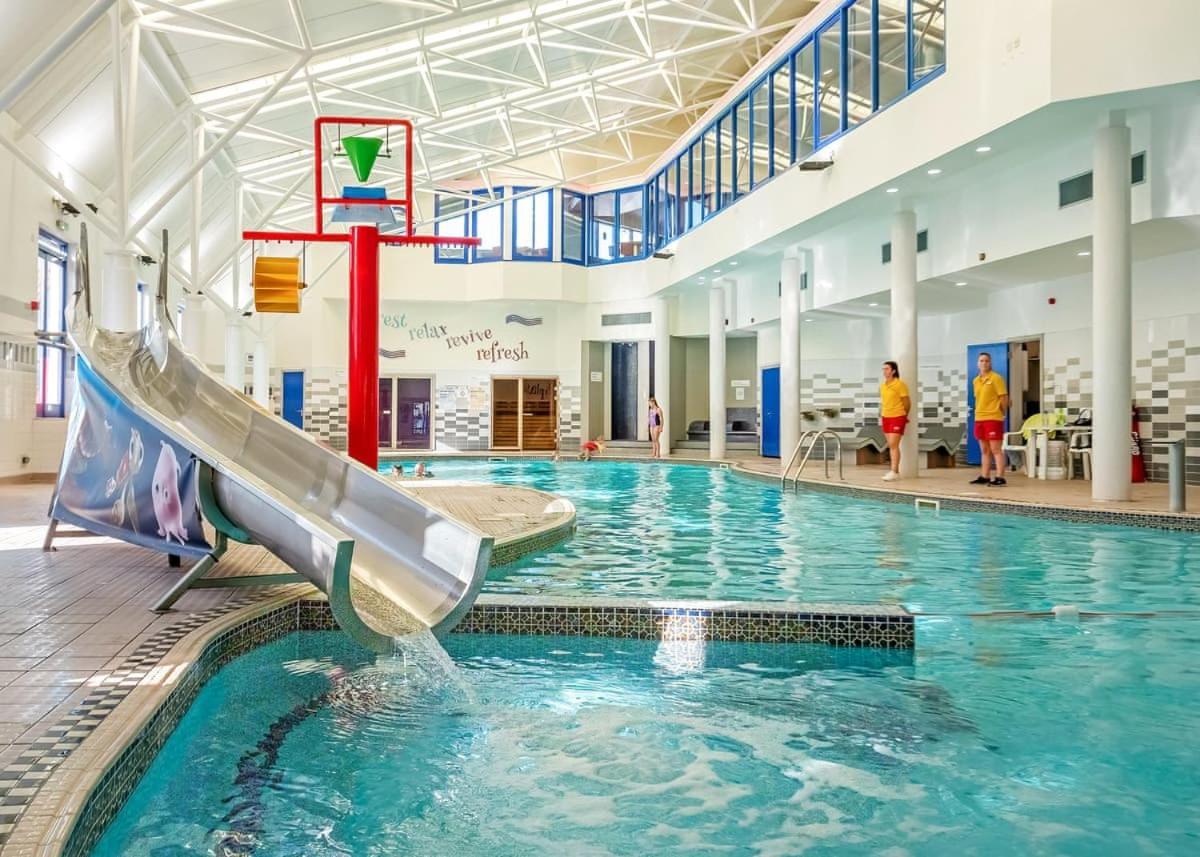
2. Lyons Manor House Caravan Park
Show on map


 Check-infrom 16:00 until 18:00Check-outuntil 10:00
Just a few rooms left at the best rate!
from£ 186
Best Character Stays for Solo Travellers
These properties add experiential value beyond just a bed - whether through immersive natural settings or traditional inn culture that suits solo travellers comfortable eating and socialising at the bar.
-
3. Broomhills Farm River Eco Pods
Show on map


 Check-infrom 15:00 until 19:00Check-outuntil 10:00
Hurry – almost gone at this price!
from£ 169
-
4. Woolpack Inn
Show on map


 Check-infrom 15:00 until 23:59Check-outfrom 09:00 until 10:00
Rooms filling fast – secure the best rate!
from£ 114
Smart Travel and Timing Advice for Solo Travellers in Cumbria
The Lake District core peaks sharply in August, with car parks at Tarn Hows and Catbells full before 9am on clear weekends - solo travellers who prefer uncrowded trails should target May, early June, or October, when conditions are still good but footfall drops by around 40%. Shoulder season (April and October) offers the best balance of open accommodation, walkable conditions, and lower nightly rates. For western and northern Cumbria - Eskdale, the Solway Coast, and the Hadrian's Wall corridor - the crowd issue barely applies even in August, making these zones genuinely viable for solo summer travel without pre-booking months ahead. Most rural properties in Cumbria require a minimum 2-night stay during peak weekends; a 3-night stay is the sweet spot for covering two distinct walking areas or combining a heritage site with fell walking. Book eco pods and farm stays at least 6 weeks in advance for any Bank Holiday weekend - these properties have very limited unit numbers and sell out faster than traditional hotels.